
Make room for higher-leverage work
Identify the decisions and coordination work that should no longer depend on the founder, then establish how the team will own them.
Martin Operational Strategy brings order, clarity, and structure to growing founder-led businesses. For founders who have customers, people, and momentum, that means helping the leadership team turn structure into accountable execution without routing every decision through the founder.
Jeff works directly with the founder and leadership team in the operating rhythm of the company. The work is practical: make ownership visible, keep priorities moving, resolve issues at the right level, and strengthen the routines leaders use every week.
That means listening to how work actually gets done, not imposing process for its own sake. It means being candid about trade-offs, creating enough structure to make commitments real, and helping managers take on more of the operating responsibility.
The work is grounded in the company’s actual operating needs: leadership cadence, accountable owners, practical measures, manager capability, and useful working relationships between the founder and team.
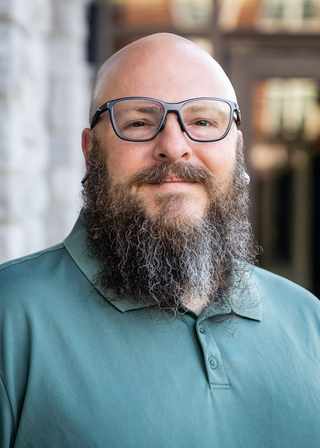
I believe in accountability with flexibility, handshake integrity, and continuous improvement. Good operations create enough structure for people to do their best work and still adapt when reality changes.
Family comes first for me. Building a business that depends less on its founder helps make room for the people and priorities that matter beyond work.
Identify the decisions and coordination work that should no longer depend on the founder, then establish how the team will own them.
Clarify what each leader owns, create a shared operating cadence, and adapt routines as circumstances change. Accountability should support the team’s work, not make it rigid.
Equip managers with clear expectations, practical tools, and the knowledge and authority to make decisions. Coach them through real challenges so they can support their teams and sustain dependable follow-through.
Strong operations require staying current. I continue to develop practical skills across people leadership, team management, project execution, and emerging technology—and apply that learning to the real-world challenges growing teams face.
Structure should answer practical questions: What matters now? Who owns it? How will we know if it is off track? Where should a decision be made? How will the team resolve the issue?
When those answers are clear, leaders spend less time interpreting priorities and the founder does not have to act as the company’s memory, coordinator, and escalation path. The aim is a more capable business—not a more complicated one.
Learn about the Integrator roleUse an Operations Fit Call to share what's landing on your desk and talk through whether an embedded operator is the right fit.